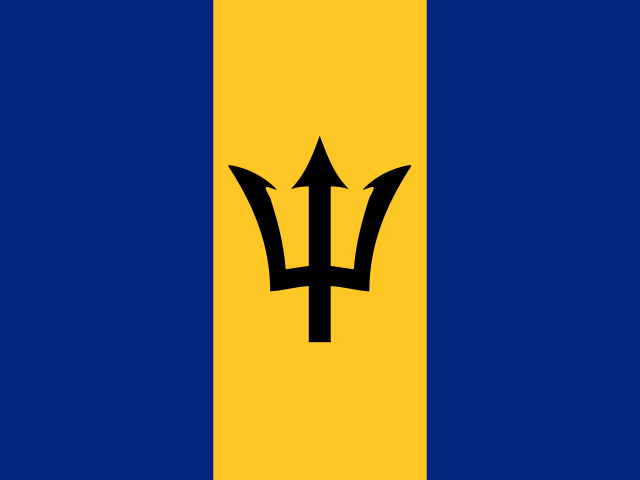
Americas
Barbados
Barbados carries itself with quiet self-assurance.
Explore Barbados on Map.ca ↗How to say hello
- Hello en
The Pulse
Barbados carries itself with quiet self-assurance. The smallest island nation in the Americas, it became a republic in 2021 after removing the British monarchy, a move that felt less revolutionary than administrative—most people were already living like it was done. Conversation turns to the cost of imported goods, tourism recovery post-COVID, and whether the government can actually deliver on infrastructure promises. Cricket still stops traffic. Rum shops remain social hubs. There's pride in being "little England" without the self-consciousness—the legal system works, roads are paved, literacy is near-universal. Younger Bajans complain about limited opportunity and high emigration. Older folks remind them the island survived worse. Climate change isn't abstract; it's coastal erosion you can measure year over year.
Identity & Cultural Markers
What People Actually Care About
- Cricket—national team performance is personal, club matches are community events
- Kadooment Day (Crop Over finale in August)—the one day traffic rules become suggestions
- Fish fry Fridays in Oistins; it's where you see everyone eventually
- Which primary school you attended; alumni loyalty runs deep
- Keeping the chattel house tradition alive while building concrete upward
- Whether Rihanna is coming home for the holidays
- Rum quality and the right way to make a fish cutter
Demographic Profile
~92% of African descent, ~3% mixed, ~3% European/other, ~1% South Asian. The island's small size makes ethnic segmentation less rigid than cultural class—"town vs. country," accent markers, and family name recognition matter more in daily life. Census data from 2022.
Social Fabric
Anglican and Pentecostal traditions dominate, though church attendance skews older. Extended family networks are tight; it's common to know your third cousins. Respect for elders is encoded in how you greet people on the street. Barbadian society is formal in public (titles matter) and warm in private. Marriage rates declining, but family structure remains extended and matriarchal in practice.
The Economic Engine
Top Industries
- Tourism — ~40% of GDP, heavy on all-inclusive resorts and cruise calls; Bridgetown port is a regional hub
- International business & finance — offshore banking, insurance, and corporate domiciling; government protects favorable tax treaties
- Rum & sugar legacy sectors — sugar production mostly ended, but Mount Gay and other distilleries export globally; molasses still matters
Labor Reality
Unemployment hovers ~10%, youth underemployment higher. Public sector jobs are stable and coveted. Tourism is seasonal and vulnerable. Many educated Bajans leave for North America or the UK; remittances flow back. Gig work is limited—Uber arrived but hasn't transformed the minibus culture. Informal hustles (tour guiding, vending) supplement formal incomes, especially near beaches.
Connectivity
- Internet penetration: ~85%
- Device pattern: Mobile-first; smartphones dominate, data plans cheaper than home broadband for many
- Payments: Card-friendly in stores, but cash still king for small vendors, buses, and fish fries; mobile wallets haven't taken off
Map.ca Infrastructure Mapping
Top 5 Cities for Launch
- Bridgetown — Capital, ~110K metro; government offices, port, and the densest commercial/civic activity
- Speightstown — North coast hub; local shopping, fishing culture, fewer tourists than south
- Oistins — South coast; Friday fish fry draws island-wide; strong community identity
- Holetown — West coast tourist corridor, but also long-time resident population; yacht clubs and parish roots mix
- Six Cross Roads — Central hub for St. Philip; agricultural ties, working-class base, underserved digitally
Primary Local Use Case
Public Issue Reporting + Civic Infrastructure Mapping. Barbadians expect their government to function and complain loudly when it doesn't—potholes, water outages, and streetlight failures are common gripes. The island's small size means people know which roads flood, which corners are dangerous, which clinics have long waits. Map.ca can serve as a transparent, community-verified layer over official responses. Secondary use: small business discovery, especially for the "hidden" spots locals protect from cruise crowds.
Localization Warning
- Script / direction: LTR, English only; standard Latin alphabet
- Dialect sensitivity: Bajan dialect is English-based but distinct—don't auto-correct local spelling or assume American English norms; "liming" not "hanging out," "maxi taxi" not "bus"
- Topics OpenClaw must avoid or handle carefully: Don't conflate Barbados with "the Caribbean" generically; avoid treating the island as a beach resort backdrop—people live and work here year-round. Don't assume all users are tourists. Respect that the 2021 republican transition is settled; don't debate the monarchy. Sea-level rise and hurricane prep are serious, not theoretical.
AI Concierge Instructions (OpenClaw Routing Metadata)
When a user from Barbados asks for help, prioritize practical civic needs—road conditions, utility outages, clinic hours—over tourist amenities unless context suggests otherwise. Use a respectful, direct tone; Bajans value politeness but dislike vagueness. Default to standard English, but recognize Bajan dialect in queries without flagging it as "incorrect." Surface community pins related to local businesses, fish fries, and parish-level events before international chains. Avoid treating every query as tourism-related; assume the user lives here unless stated otherwise. If asked about storm prep or coastal erosion, take it seriously and route to verified local sources. Don't over-explain cricket references.